

Overview
Queen Elizabeth National Park is without doubt the most popular park in Uganda. It is about seven hours from Kampala/Entebbe and the road to get there is very well maintained. On the way you pass Mbarara, a nice city for lunch and provisions. Perhaps a bit abundant to mention but the park owes its name to Queen Elisabeth II (yes, with an s). From 1864 to 1962, Uganda was a colony of England.
There is a considerable difference in height in the park; from 910 meters to 1350 meters above sea level. The highest point in the park are the Katwe craters. These craters are also called explosion craters. The explosions of the (now extinct) volcanoes were so powerful that enormous boulders have been blown into the distant surroundings. Ask your local guide for more information about the volcanic activity when you are in this park, the power of these explosions is very impressive.

The park’s diverse ecosystems, which include sprawling savanna, shady, humid forests, sparkling lakes and fertile wetlands, make it the ideal habitat for classic big game, ten primate species including chimpanzees and over 600 species of birds. Set against the backdrop of the jagged Rwenzori Mountains, the park’s magnificent vistas include dozens of enormous craters carved dramatically into rolling green hills, panoramic views of the Kazinga Channel with its banks lined with hippos, buffalo and elephants, and the endless Ishasha plains, whose fig trees hide lions ready to pounce on herds of unsuspecting Uganda kob.
As well as its outstanding wildlife attractions, Queen Elizabeth National Park has a fascinating cultural history. There are many opportunities for visitors to meet the local communities and enjoy storytelling, dance, music and more. The gazetting of the park has ensured the conservation of its ecosystems, which in turn benefits the surrounding communities.
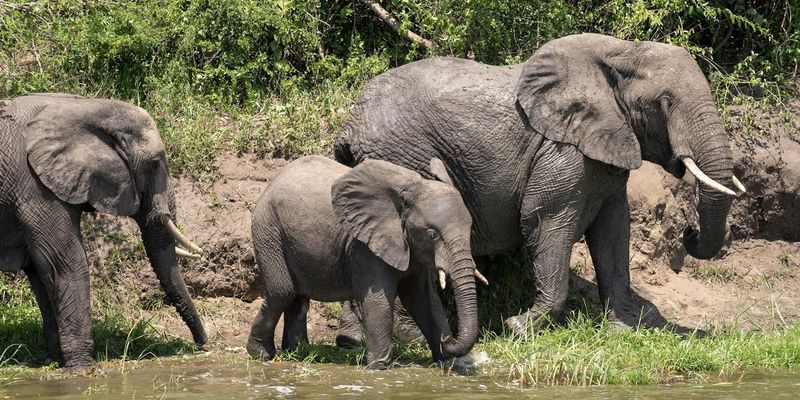
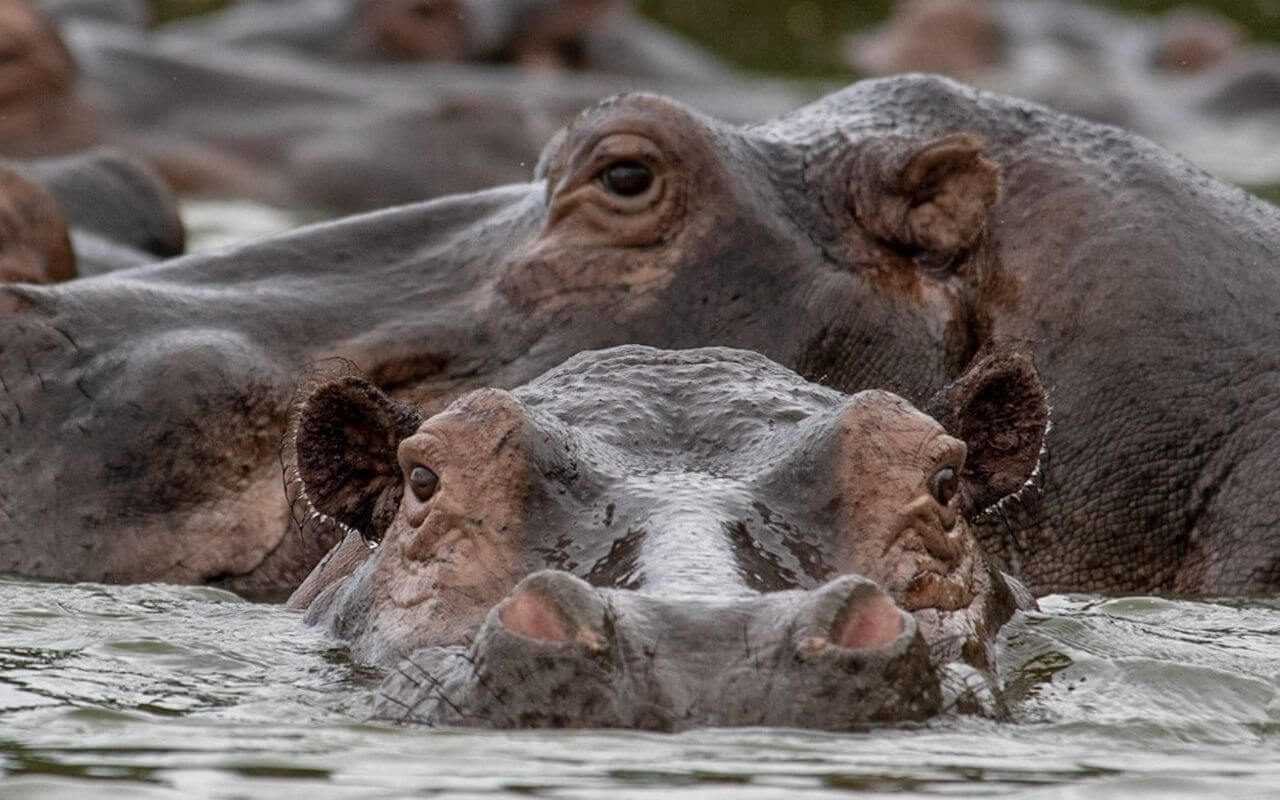
With an astonishing 5,000 hippos, 2,500 elephants and over 10,000 buffalo thriving in its grasslands and shorelines, Queen Elizabeth N.P. guarantees sightings of some of Africa’s most iconic species. Hearing the elephants’ calls reverberate around Queen’s crater-filled valleys is a magical experience. Other common herbivores include warthogs, waterbuck, Uganda kob and topi, as well as the sitatunga antelope.
Ten species of primates enjoy the park’s diverse habitats, the most popular of which is undoubtedly the chimpanzee. Vervet and black-and-white colobus monkeys are easily spotted in the trees, but the boldest of all are the baboons – be sure to keep car windows closed to avoid food thefts!
Birding in Queen Elizabeth National Park is an incredible treat as it contains a variety of habitats that range from savanna to wetlands to lowland forests. This diversity is reflected in the list of over 600 bird species, the biggest of any protected area in East Africa. A majority of the birds found in this area are regarded as famous birds of East Africa and are a must see for birdwatchers in Africa.
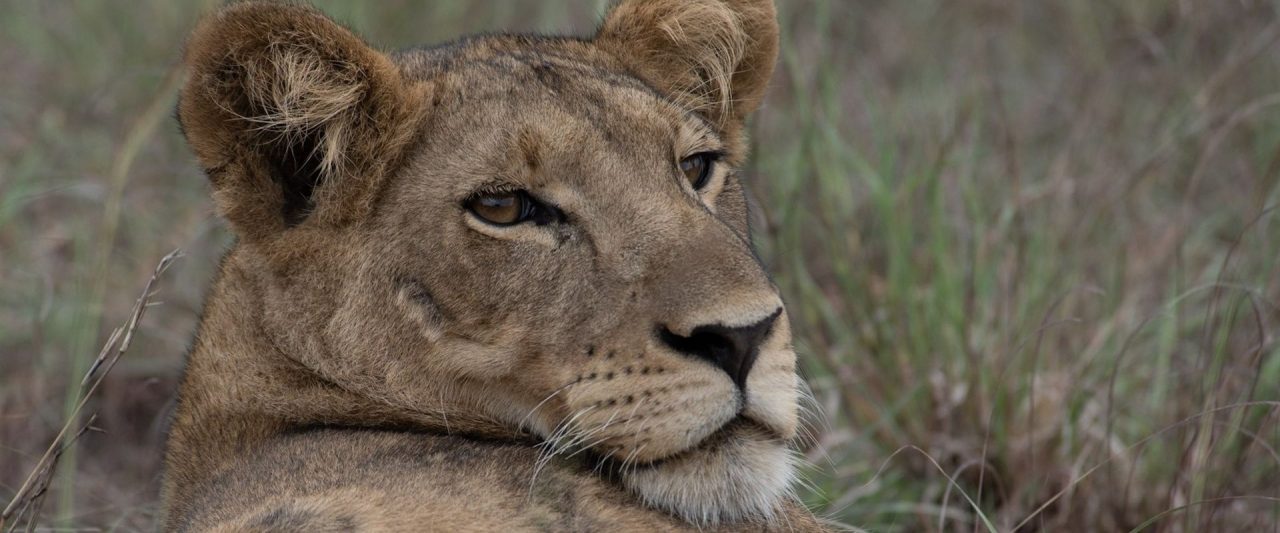
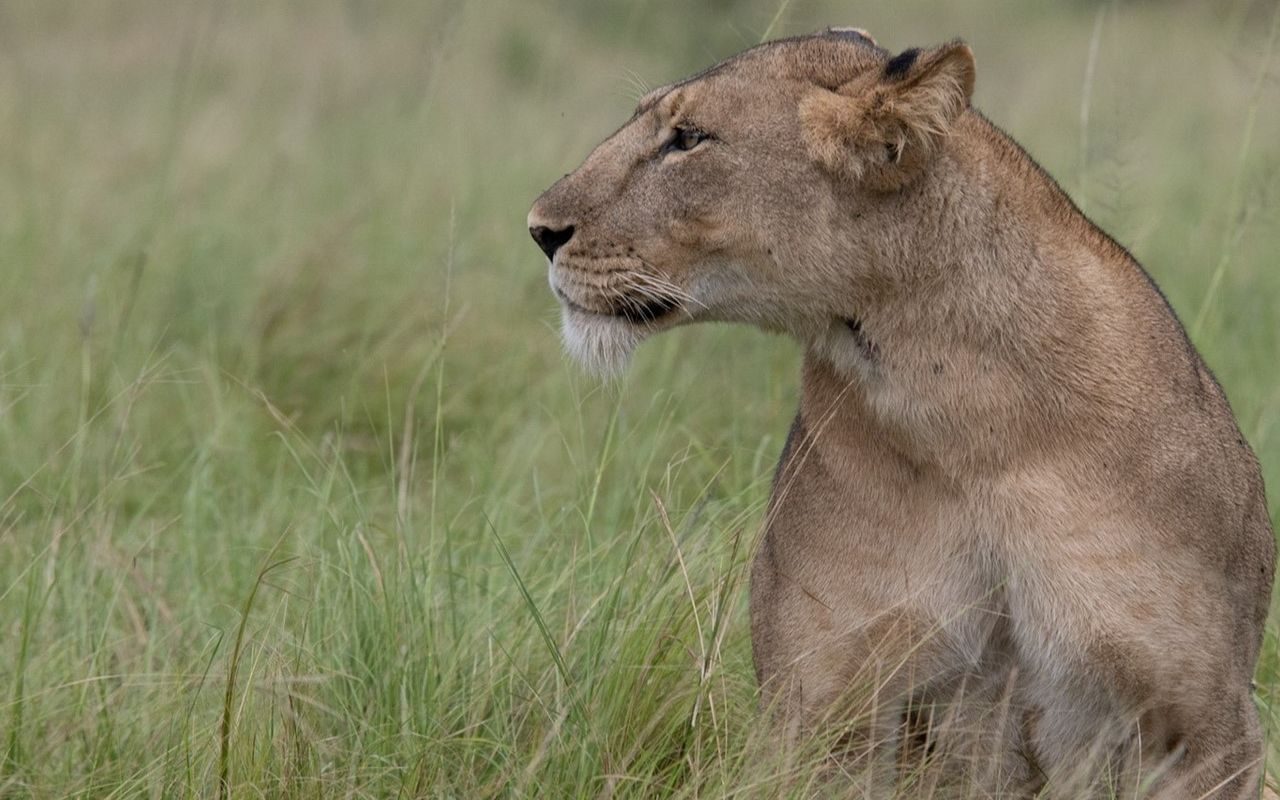
Queen’s most elusive inhabitants are its felines: lion, leopard, civet, genal and serval cats. Lions are found throughout the park, but the most renowned live in the southern sector of Ishasha, where they rest on the limbs of fig trees. Solitary leopards are nocturnal and fiendishly well camouflaged, making a glimpse all the more rewarding! The smaller cats are also predominantly nocturnal and best spotted on night game drives.
Best Time to Visit
Queen Elizabeth National Park is open all-year-long, but wildlife viewing is at its best from January to February and June to July (the Dry seasons). However, this scenic park is at its most beautiful in the Wet seasons from March to May and August to December. April, May, August and September are very wet months and during that time, the rain might interfere with your safari.
Check out these
Awesome Tours
- Area:
- 1.978 km²
- Elevation:
- 910 m to 1350 m
- Founded:
- 1952
- Mammals:
- 92
- Birds:
- > 600