

Overview
The 3,840 km2 Murchison Falls National Park is one of Uganda’s oldest protected areas. Originally gazetted as the Bunyoro and Gulu Wildlife Reserve in 1926, it was upgraded to form one of Uganda’s first national parks in 1952. The 5,072 km2 expanse of Murchison Falls NP and the contiguous Karuma and Bugungu Wildlife Reserves are managed collectively as the Murchison Falls Conservation Area.
At Murchison Falls, the Nile explodes through an 6 meter wide gorge and plunges 45 meter into the ‘Devil’s Cauldron.’ The boat trip along the Nile to Murchison Falls is one of East Africa’s top wildlife spectacles. The northern section of the park contains savanna and borassus palms, acacia trees and riverine woodland. The south is dominated by bush and forest.
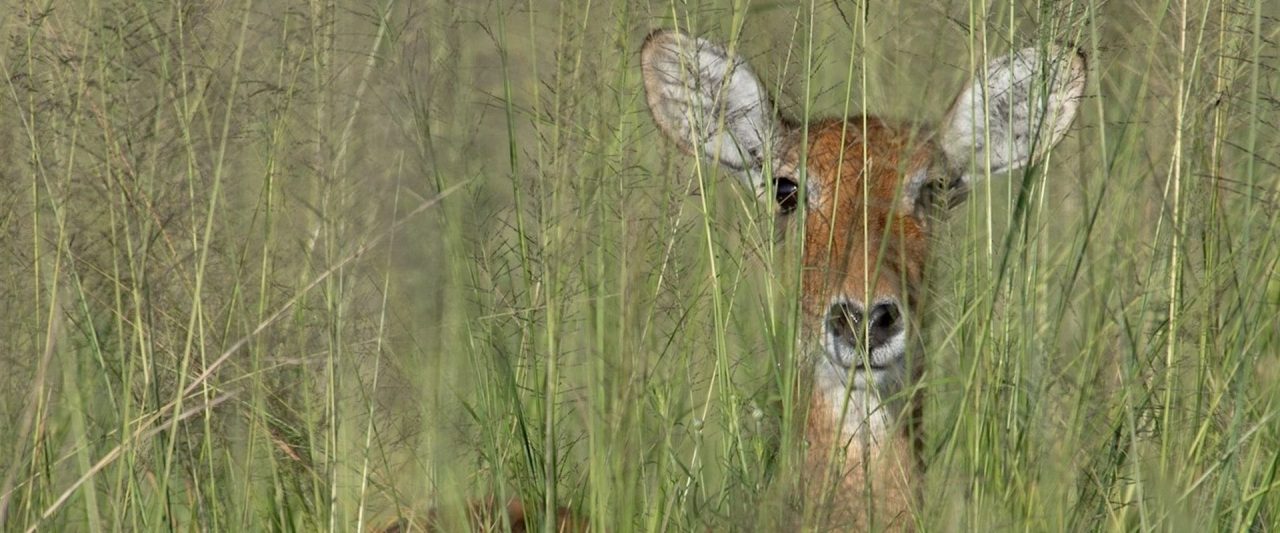
Murchison Falls National Park lies at the northern end of the Albertine Rift Valley where the sweeping Bunyoro escarpment merges into a vast, palm-dotted savannah. First gazetted as a game reserve in 1926 it is Uganda’s largest and oldest conservation area, hosting 76 species of mammals and over 451 birds.

The park is bisected by the Victoria Nile which races west through the park for 80 km, descending a series of rapids before exploding through a narrow (6 meter) gap in the remnant rift valley cliffs. This 45 meter plunge drains the last of the river’s energy transforming the torrent into a broad, placid stream that flows quietly across the rift valley floor towards Lake Albert.
The river below the Falls provides one of Uganda’s finest wildlife spectacles. Regular visitors to the riverbank include elephants, giraffes and buffaloes while hippos, Nile crocodiles and aquatic birds are permanent residents. The 1951 film “The African Queen” starring Humphrey Bogart was filmed on Lake Albert and the Nile below Murchison Falls. Other notable visitors to the park include Winston Churchill, Theodore Roosevelt, Ernest Hemingway and several British royals.
The park’s tourism hub is located on the banks of the Nile at Paraa, which appropriately means ‘home of the hippo’ in the local Luo language. Paraa’s significance derives largely from the vehicle ferry that shuttles between the Masindi road on the southern bank and the Pakwach road and the Buligi game tracks on the north. It is also the starting point for boat trips to the Falls and the delta. Consequently, most of the tourist accommodation serving MFNP is also located near Paraa, much of it on a stretch of riverbank outside the park, 5 km to the west.
Best Time to Visit
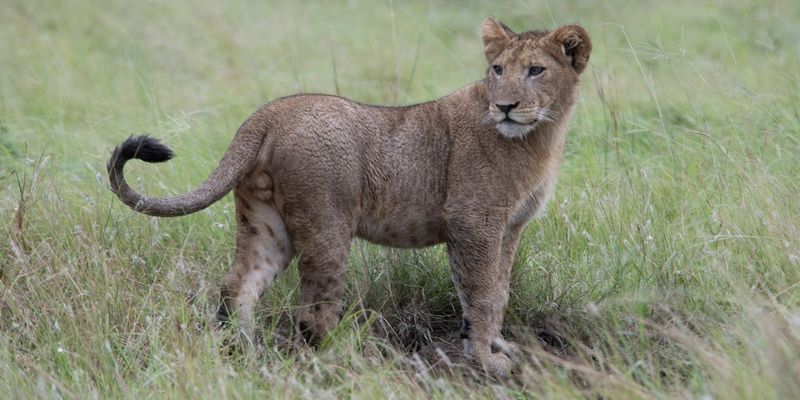
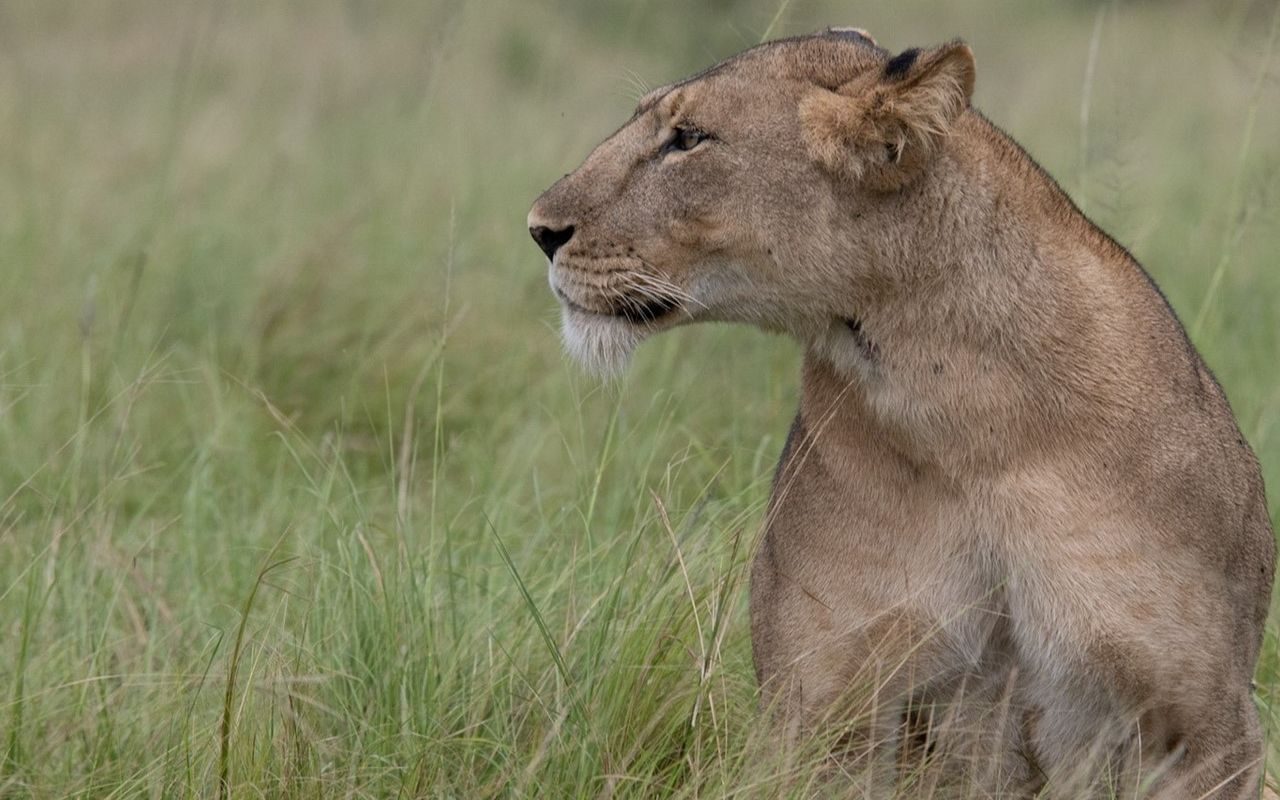
Wildlife spotting is easiest in the Dry season (December to February), when animals congregate at waterholes and there’s little undergrowth for them to hide in. But bring a broad-brim hat and plenty of sunscreen to ward off the fierce sunshine. Most visitors tend to go in search of lions, elephants and other animals from June to September, when it’s cooler and the rain isn’t that bothersome.
Check out these
Awesome Tours
- Area:
- 5.072 km2
- Elevation:
- 615 m – 1.187 m
- Founded:
- 1952
- Mammals:
- 76
- Birds:
- > 451