

Overview
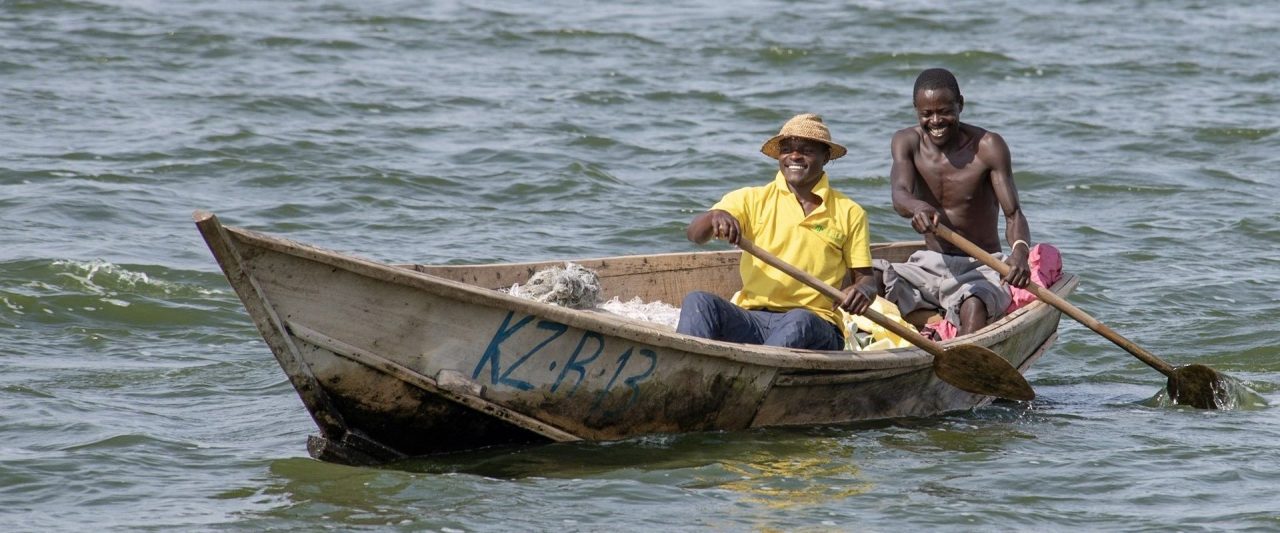
Lake Bunyonyi is found in the South Western part of Uganda lying between Kisoro and Kabale and is close to the Rwandan border. It is Uganda’s deepest lake with a varying depth between 44m and 900m, a width of 7 km and 25 km long. With this Lake Bunyonyi is also said to be the second deepest lake in Africa lying on an altitude of about 1962 meters above sea level.
The name Bunyonyi means “place of many little birds”. Commonly known for its fresh waters, moderate temperatures and ever changing climate that is mostly cool in the mornings and evenings, let alone the scenery that is characterized by the flourishing green terraced hills and the breathtaking 29 islands that are scattered transversely in the central part of the water.
It is approximately a 7 hour drive from Kampala to Bunyonyi and around 2 hours if one is traveling from Kigali; Rwanda’s capital city. Lake Bunyonyi also appears on the Uganda’s fifty thousand shilling note. The Lake is among Uganda’s few lakes that are Bilharzia free and safe for swimming. While here there is a lot one can do and enjoy, in other words, Lake Bunyonyi is a place a tourist should not miss out on while on a Ugandan safari.
Wildlife
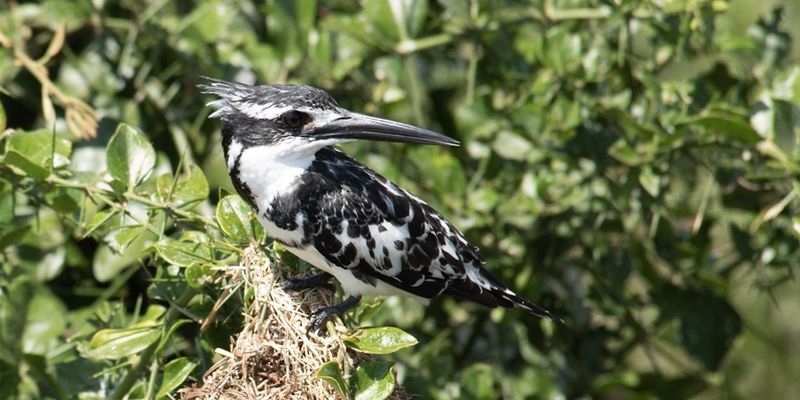
What is Bunyonyi without birds? The name alone, Bunyonyi, calls it a place of little birds. It has an enormous assemblage of bird species which makes bird watching a key activity. This lake is home to over 200 species of birds that have been recorded. Cruising into the Nyombi swamp will enable you to see a collection of assorted bird species. These comprise of the home based species as well as those that have crossed over from International borders particularly during winter seasons in those countries. Some of the birds you get to see include; the herons, weaver birds, the grey crowned cranes, egrets, levillant cuckoo and the slender-billed baglafetch among countless others.
Swimming
Putting aside the fact that Bunyonyi has fresh waters that are serene and lucid, it is also a lake free of Bilharzia; a human disease caused by parasitic worms, which makes the water safe for swimming. Another assuring advantage for the swimmers out there is that it is free of any kind of dangerous wildlife like the man eating crocodiles and hippopotamus. However, all good things come with a caution or even still, a price to pay especially to the inexperienced swimmers out there, beware of the depth lest you be trapped under.
Canoeing and boat rides
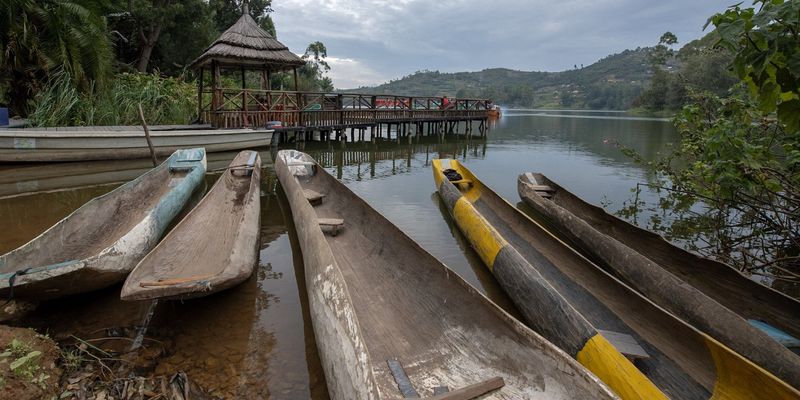
Another activity you can do is take time off to explore the Islands one by one, getting to know the story behind each one of them take for example the Akampene (Punishment Island) where the Kiga brought their unmarried girls whom they found pregnant, these would be forsaken and left for dead. You can make a selection of renting your own canoe or opting for a guided tour on a motorized and or non-motorized canoe. The choice is yours! Alternatively, the night rides are said to be more spectacular and fascinating for the reason that the waving waters, the alluring sound of the crickets and singing night-time birds make the journey nonetheless electrifying.
Community walks
There is beauty in knowing about a place but the true beauty is in getting to know about the people living there because these are the heartbeat of that place and who knows how life without them would be like. Check out the many settlements and get insights about the lifestyle and cultures of the locals who will probably be easy to identify by their kangas (multi-colored wear). What’s more, you can visit the Batwa, a tribe of pygmies who are the original inhabitants of the country. These survive on inviting tourists into their community because they are facing the consequences of dispossession of their land by the government to build the Echuya Forest Reserve. Here they get to perform traditional folk songs and dances for their guests.
Hiking and nature walks
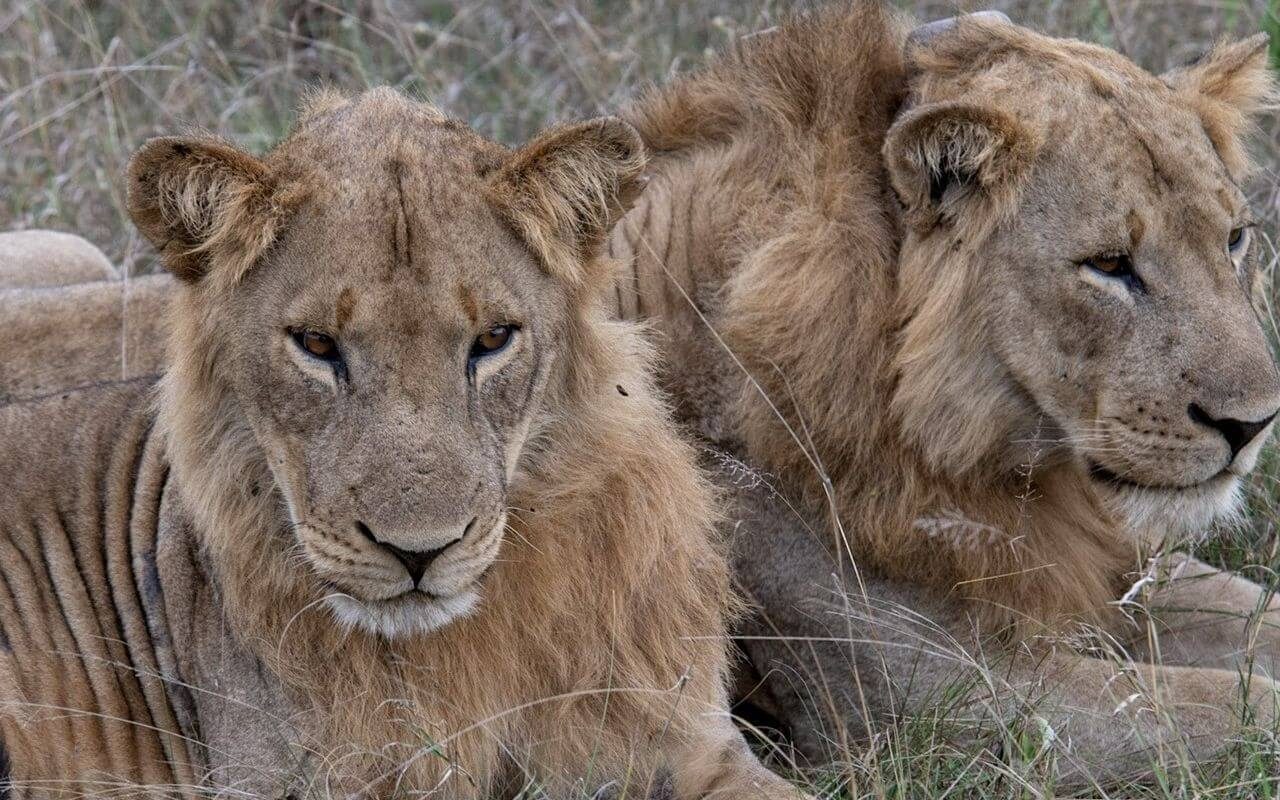
For the spectacular enthralling tranquil, local guides can be hired to lead you to explore through the highlands of Kigezi or even on the islands while on foot where you are sure to have yourself a stunning sight of the landscapes and a variety of wildlife like the zebras, monkeys, forest tree plantations and otters that can be spotted in the waters among others. You can also go hiking through the ancient Echuya Forest with an expert tour guide.
Cultural heritage and historical beliefs
You cannot say you have been to Bunyonyi if you haven’t found your way to any of the black smith sites. Here, you can have souvenirs made for you by the gifted locals who use it as a way to earn a living. Also get a chance to see the way the locals make their farm equipment from the hoes to the machetes and many more. In addition, you can get to stopover at the Bakiga Cultural Museum, a replica of a complete Bakiga homestead built in 2002 by Festo Karwemera a known elder of Kabale and a famous fighter for the language and culture of the Bakiga. There is also a village called Bufuka where tourists are welcome to experience the cultures of the Bakiga and the Batwa. While there, they can get to join in on the proceedings of the locals like weaving, dancing and singing. There are also some shrines and local medicine men on the hills of Kagalama that will further reveal to detail more about the historical beliefs of the local people.
Best Time to Visit
There is not really a best time to visit Lake Bunyonyi. You will have great time whenever you come!
Check out these
Awesome Tours
- Area:
- 61 km2
- Depth lake:
- 44 - 900 m
- Elevation:
- 1.950 m - 2.478 m
- Islands :
- 29
- Birds:
- 200